Water Damage: What to Do in the First 24 Hours
QUICK ANSWER: After water damage, the first day matters more than any other. Cut power to the affected area, stop the water at its source, and stay out of standing water that may be contaminated. Photograph everything before you move it, then pull out as much water as you can and get real drying equipment running. The reason for the rush is simple: mold spores that live in every home can begin to germinate within 24 to 48 hours once materials stay wet, so drying speed is the whole game.
Water rarely announces itself at a convenient hour. A supply line lets go behind the washing machine at midnight, a water heater fails while the house is empty for the weekend, or a storm pushes runoff through a basement wall during the night. By the time anyone notices, the water has already found the subfloor, wicked up the drywall, and settled into wall cavities where it sits quietly. The stretch between finding the mess and getting it under control is where most of the lasting damage happens, and almost all of it comes down to how the first day is handled.
The good news is that the first 24 hours are also where a homeowner has the most influence. What you do before any crew arrives can decide whether flooring and framing dry out and stay, or come out in pieces later. This is the order of operations that protects the structure and keeps a manageable loss from turning into a rebuild.
Why the First Day Decides the Outcome
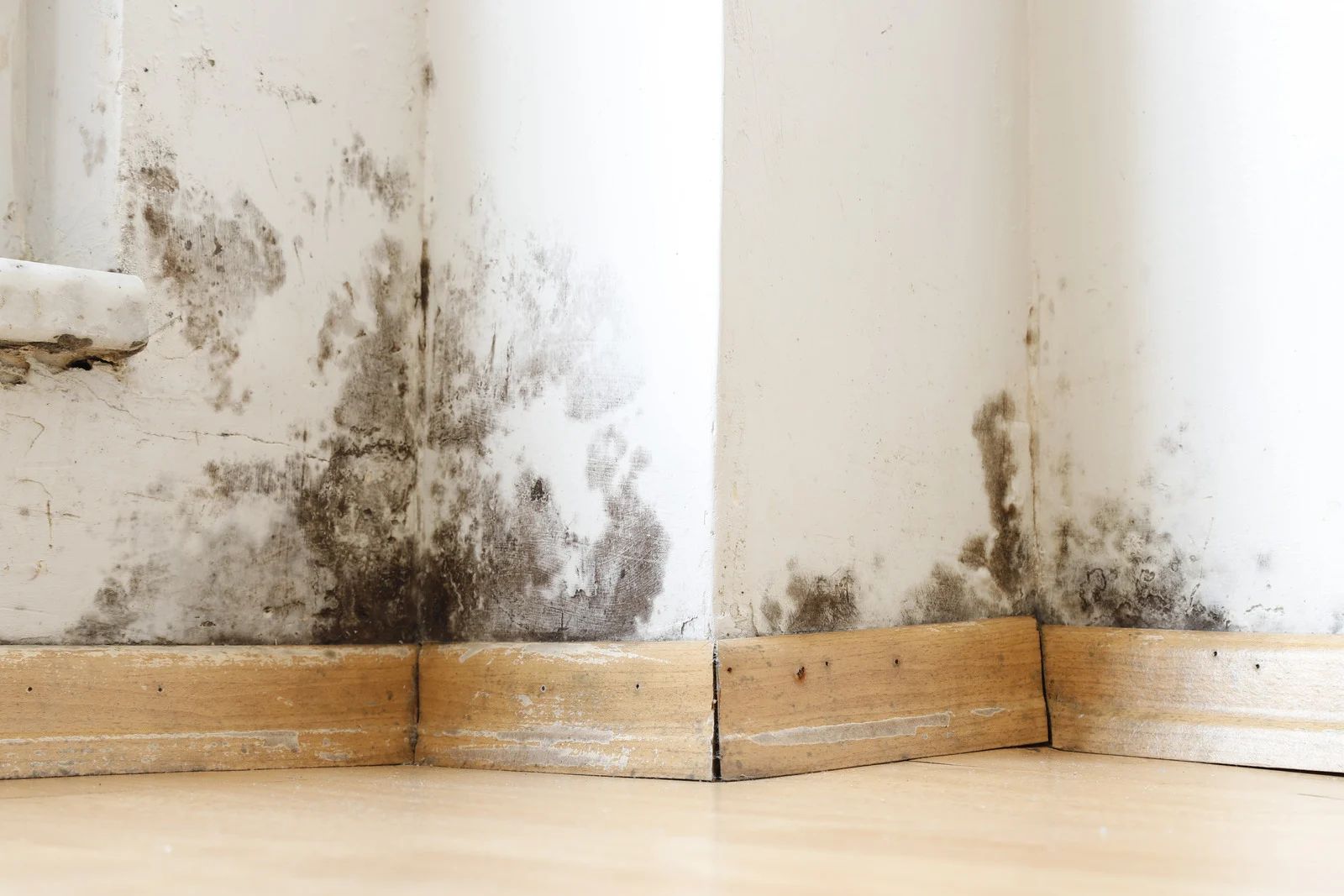
Mold is not something that blows in after the fact. Spores are already present in essentially every indoor space, waiting on three conditions: moisture, something organic to feed on, and a temperature roughly between 60 and 80 degrees. A wet house supplies all three. Drywall paper, wood framing, carpet padding, paper-faced insulation, and subfloor are all food, and a climate-controlled home sits right in the temperature band that mold prefers.
Once materials get wet, spores begin to germinate within about 24 to 48 hours, a window that industry restoration standards have documented for years. You will not see anything at first. There is no smell and no discoloration in the opening hours, only wet material that a moisture meter can detect and a flashlight cannot. That invisibility is exactly why the clock is dangerous. Somewhere between 48 and 72 hours, colonies that formed out of sight become visible, and at that point the job changes from drying to removal.
In Cobb County, humidity works against you. Georgia summers keep indoor moisture high, and warm, damp air dries wet materials more slowly because it cannot absorb much additional moisture. A soaked area in July can dry at half the rate of the same area in cooler, drier months, and materials that were never directly wet can stay damp enough to support growth. The humid stretch of the year effectively shortens the safe window, which is one more reason to treat the first 24 hours as the priority.
Step One: Make the Space Safe Before You Touch Anything
The instinct is to wade in and start bailing. Pause first. Water and electricity together are a genuine hazard, so shut off power to any affected area at the breaker before stepping into standing water. If you cannot reach the panel without crossing water, that is a job for someone who can cut power from outside the affected zone.
Watch The Water Itself
Clean water from a supply line is one thing. Water that looks brown or gray, smells foul, or came from a drain or sewer line carries bacteria and should not be touched without protection. That distinction matters for what happens next.
Watch the Ceiling
A ceiling that sags or bulges is holding a load of water and can come down without warning. Stay out from under it and keep others clear. A safe entry is the foundation for everything that follows, and there is no version of this where rushing in helps.
Step Two: Stop the Source and Clear Standing Water
Nothing you do downstream matters if water keeps arriving. For a burst or leaking pipe, shut the main water valve to the house. For an appliance failure, close the local supply valve behind or beneath the unit. If you cannot find the source, shutting the whole-house main is the safe default until you can investigate.
With the flow stopped, get standing water out quickly. Every hour it sits, more of it migrates into rooms it has not reached yet and soaks deeper into materials. A wet/dry vacuum, mops, and buckets will move the bulk of it. Lift furniture legs onto blocks or foil to keep them out of remaining moisture, and pull up rugs, curtains, and loose upholstery to dry separately. The faster the surface water is gone, the less drying the structure will need afterward.
TIP: Move photographs, documents, electronics, and anything irreplaceable to a dry room right away. Paper and fabric absorb water fast and are the hardest items to recover once saturated, so getting them clear early often saves what matters most.
Step Three: Document the Damage While It Is Fresh
Before you rearrange the room too much, build a record. Take clear photos and short videos of the water line on the walls, the source of the leak, and every affected surface: floors, baseboards, cabinets, and belongings. Capture wide shots of each room and close-ups of individual damaged items.
A written list helps too. Note what got wet, when you found it, and roughly how far the water spread. This record is useful for the crew that eventually assesses the space, because it shows the condition before any drying or removal changed the picture. It also gives you an accurate account of the event for your own reference. Documentation costs a few minutes and takes nothing away from the drying effort, so it belongs early in the sequence rather than as an afterthought.
Step Four: Start Drying, Not Just Mopping
Removing visible water is only half the work. Framing, insulation, and subfloor hold moisture invisibly, and a room that feels dry on top routinely tests wet underneath. That trapped moisture is precisely what feeds mold two weeks later.
Household Gear Has Limits
Box fans and a shop vacuum move surface water and stir the air, but they cannot pull saturation out of building materials the way commercial air movers and dehumidifiers can. If all you have on hand is consumer equipment, run it continuously, open interior doors and cabinets, and pull baseboards to let air reach behind the walls. Point airflow across wet surfaces rather than just around the room.
Moisture Hides
Water travels under flooring, behind baseboards, into stud bays, and beneath cabinets, often reaching well past the visibly wet footprint. Professional drying starts with mapping how far it actually went, using thermal imaging and penetrating meters, then placing equipment to reach those pockets. The target is not dry to the touch but dry by measurement, matching the moisture content of unaffected materials in the same building. Until the readings confirm that, the risk of hidden growth remains.
What Can Be Saved and What Comes Out
Not everything survives a soaking, and the deciding factors are how long the material stayed wet and what the water carried. Restoration work sorts water into three categories. Category one is clean supply water. Category two carries contaminants from appliances or similar sources. Category three includes sewage and floodwater and is treated as hazardous. The dirtier the water, the more that has to be discarded rather than dried.
Drywall
Clean water caught early can often dry in place with equipment. Drywall that stayed wet for days, or that was touched by contaminated water, gets cut out and replaced, typically well above the visible water line.
Carpet And Padding
Padding acts like a sponge and rarely recovers once saturated, so it usually comes out to open the subfloor for direct drying. Genuinely restorable carpet can sometimes be cleaned, sanitized, and reinstalled.
Hardwood
Wood floors often survive when extraction and specialty drying start fast, since panel systems can pull moisture up through the boards. Wood that sat saturated for days or has already cupped and separated generally needs replacement.
WARNING: Do not reach for bleach on porous materials like drywall, wood, or insulation. Bleach cannot penetrate to where mold anchors inside the material, so the surface looks clean while the growth underneath continues, and scrubbing can send spores into the air. For porous materials, the correct answer is removal, not surface treatment.
When to Bring in a Professional Crew
Small, clean spills you catch in minutes are often within reach of a careful homeowner. Beyond that, the calculus shifts quickly. Water that spread across multiple rooms, soaked into walls or subfloor, sat for more than a few hours, or came from a drain or sewer line calls for certified equipment and technicians who can verify dryness rather than guess at it.
The value of a fast professional response is measured in what stays. Materials that dry inside the safe window are saved; materials that stay wet are demolished and hauled away. A crew that arrives quickly, maps the moisture, sizes the equipment correctly, and monitors readings daily keeps demolition limited to what genuinely failed. Waiting turns a drying job into a removal-and-rebuild job, and the difference between those two outcomes is mostly a matter of hours.
Frequently Asked Questions
How long do I really have before mold becomes a problem after water damage?
Plan on 24 to 48 hours. Spores already present in the home germinate once materials stay wet, and visible colonies often appear by 72 hours. Humid conditions shorten that window, so start drying immediately.
Can I dry out a soaked room myself with fans and a shop vacuum?
You can start, and starting beats waiting. Household gear clears surface water and moves air, but it cannot pull moisture from framing, insulation, and subfloor. Rooms that feel dry on top routinely test wet underneath.
What is the difference between water mitigation and restoration?
Mitigation is the emergency phase: extraction, drying, and stabilization that stop damage from spreading. Restoration is the rebuilding afterward, replacing drywall, flooring, cabinetry, and paint. The first day falls in mitigation, where speed matters most.
How do professionals know when a structure is actually dry?
Dry means matching the moisture content of unaffected materials nearby, confirmed with meters rather than by feel. Technicians take daily readings at marked spots and leave equipment running until those numbers hit their target readings.
Does a slow leak under a sink need the same urgency?
Often yes. Slow leaks soak cabinet bases, subfloor, and wall cavities for weeks or months without surfacing. By the time staining appears, growth has usually started and the wet area is larger than anyone expected.
Should I wait to start cleanup until someone can look at it?
No. Stopping the source, clearing standing water, and starting to dry are worth doing immediately, and none of it interferes with a later assessment. Every hour of drying reduces what eventually has to come out.
The First Day Sets Everything That Follows
Water damage feels chaotic mostly because it keeps moving while everyone stands around deciding what to do. The homeowners who come through it best treat the first 24 hours as a sequence rather than a scramble: make the space safe, stop the source, document what happened, and get real drying underway. None of those steps require special training, and each one narrows the gap between a room that dries out intact and a room that has to be opened up later.
When the loss runs deeper than a quick cleanup, the same order of operations holds, only with calibrated meters and commercial equipment behind it. Angel's Renovations Company
has spent 15+ years working on homes throughout Kennesaw, GA, where humid summers shorten the window for drying and reward anyone who moves early. Water finds its way into places nobody thought to check, and the homes that recover cleanly are usually the ones where someone acted before the second day started.